
The intriguing evolution of casinos through the ages
The intriguing evolution of casinos through the ages
The Ancient Origins of Gambling
The concept of gambling dates back to ancient civilizations, where games of chance were played for enjoyment and social bonding. Archaeological findings suggest that as early as 3000 BC, the Chinese were engaging in gambling activities, including rudimentary dice games. These early forms of gambling served not only as entertainment but also as a means of establishing social hierarchies, where winners were often celebrated and losers marginalized, setting a precedent for the psychological dynamics present in contemporary gambling. In this context, players can explore a seamless gaming experience at https://mrwin9-au.com/, which offers a wide range of options.
As societies evolved, so did the nature of gambling. The Romans integrated betting into their culture, hosting various games that appealed to the masses. They established venues for betting on gladiatorial contests and chariot races, with wagers placed on outcomes. This transformation illustrated how gambling was intertwined with cultural practices and rituals, highlighting the psychological thrill derived from uncertainty and risk, which remains a key element in modern-day casinos.
The psychological aspects of early gambling activities were profound. Not only did these games facilitate community bonding, but they also provided an escape from daily life. For many, the allure of potential fortune and the excitement of chance sparked feelings of hope and ambition. This emotional draw laid the groundwork for the complex relationship individuals would develop with gambling, which would continue to evolve throughout the ages.
The Rise of Formalized Gambling Houses
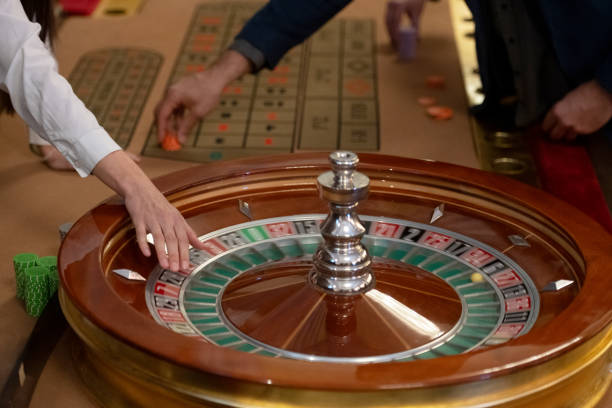
During the Middle Ages, the establishment of more structured forms of gambling took place across Europe. The first official gambling houses, or casinos, emerged in Italy in the 17th century. These venues were designed to provide a controlled environment for gambling, where patrons could enjoy games like baccarat and roulette. The rise of casinos marked a significant shift in gambling culture, turning it into a fashionable pastime that was accessible to the elite.
These early casinos were not just about games; they became social hubs that fostered connection and conversation. The psychological environment of these establishments was carefully curated to enhance player experience, using decor and ambiance to create an inviting atmosphere. This focus on the overall experience cultivated a sense of belonging among patrons, reinforcing the idea that gambling was more than just about money—it was about community and social interaction.
However, with the rise of these formalized establishments, issues regarding addiction began to surface. The psychological lure of winning could lead to compulsive behaviors in some individuals, an aspect that modern casinos are increasingly aware of. By examining these historical patterns, it becomes evident that while casinos have evolved, the psychological complexities of gambling remain remarkably consistent over time.
The Golden Age of Gambling in America
The 19th century marked a transformative era for casinos, particularly in the United States, where gambling became deeply embedded in American culture. The establishment of gambling towns, like those during the California Gold Rush, attracted individuals seeking fortune and excitement. This period is often characterized by the rise of iconic gambling games such as poker and the establishment of saloons and gaming halls, creating a vibrant gambling culture.
The psychological impact of gambling during this time was significant. Gamblers experienced a rush of adrenaline as they wagered on the outcomes of games, fostering feelings of euphoria and, in some cases, despair. This emotional rollercoaster has been a constant in the gambling experience, highlighting the intrinsic relationship between risk and reward that permeates the psyche of players. Such experiences contributed to the notion of casinos as spaces of high stakes and high emotions.
As casinos proliferated across America, regulatory frameworks began to emerge, aiming to mitigate the excesses of gambling. The introduction of licenses and regulations was a response to the burgeoning concerns regarding addiction and fraud. This evolution towards more structured casino environments reflects a growing understanding of the psychological effects of gambling, paving the way for responsible gambling initiatives that are now prevalent in modern-day casinos.
The Digital Transformation of Casinos
The late 20th and early 21st centuries heralded a digital revolution, drastically changing the landscape of gambling. Online casinos emerged, offering players the convenience of gambling from their homes. This shift not only expanded the reach of gambling but also introduced new psychological dynamics. Players could now engage in gambling activities without the social pressures associated with physical casinos, creating an environment ripe for introspection and self-reflection.
The rise of online gambling platforms has also diversified the psychological experience of players. With numerous games available at their fingertips, players can indulge in varying levels of risk, tailoring their gambling experience to their comfort levels. This accessibility has led to increased participation, but it has also raised concerns about the potential for addiction in a more isolated environment, emphasizing the need for robust support systems.
Moreover, advancements in technology have allowed casinos to implement features such as responsible gambling tools and alerts, reflecting a growing commitment to player well-being. Understanding the psychological aspects of gambling has led online platforms to prioritize player education and resource availability, aiming to foster a healthier relationship with gambling while still providing entertainment. This approach marks a significant shift in how casinos view their responsibility toward players.

The Future of Gambling and Modern Casinos
As the gambling industry continues to evolve, the focus on responsible gaming and player psychology becomes increasingly crucial. Modern casinos, both physical and online, are now leveraging data analytics to understand player behavior better. By analyzing patterns, casinos can tailor their offerings and implement strategies to promote responsible gambling, fostering a safer environment for players.
The advent of virtual reality technology also offers exciting prospects for the future of casinos. This innovation could potentially transform the gambling experience, allowing players to immerse themselves in a virtual casino environment. The psychological implications of such experiences could be profound, as players may feel more connected to their surroundings, enhancing the thrill of the game while also posing new challenges regarding addiction and escapism.
Ultimately, the evolution of casinos reflects broader societal changes and an increasing awareness of the psychological aspects of gambling. As technology continues to advance, the interplay between entertainment, risk, and responsibility will shape the future of the casino industry, ensuring that it remains a dynamic and engaging part of human culture.